
The Complete Guide to Self Storage in Johannesburg
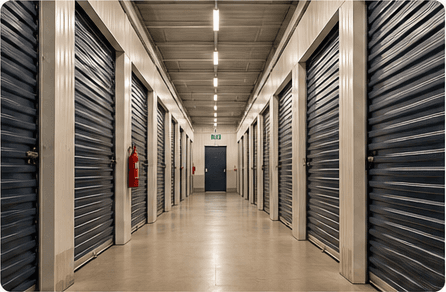
This is a test pillar guide used to confirm the Storage Insights page template renders correctly.
The Complete Guide to Self Storage in Johannesburg
Then the questions start.
How much space do you need?
How long will you need it for?
Should the unit be near home, work, campus, or your new place?
What affects the price?
What should you check before you book?
This guide is for people, families, students, and businesses in Johannesburg who need practical self storage. It covers what self storage is used for, how to choose a unit size, what affects storage prices, what to check before booking, and how to avoid common mistakes.
Whether you are moving from Sandton to Fourways, renovating a home in Alberton, downsizing in Randburg, storing business stock in Midrand, or helping a student between terms in Pretoria or Johannesburg, this guide will help you make a better storage decision.
Self-storage should make life easier. Not more complicated.
Table of Contents
- What this guide covers
- Who self storage is for
- When to use self storage
- What people usually store
- How to choose the right storage unit size
- What affects storage prices in Johannesburg
- Short-term vs long-term storage
- Security and access considerations
- Common mistakes to avoid
- Local Johannesburg storage considerations
- How Stor24 can help
- Related storage guides
- FAQs
- What to do next
What this guide covers
This Storage Insights guide gives you a practical overview of self-storage in Johannesburg.
It is written for real storage situations, not theory. The kind where the spare room is full, the garage has given up, the moving date has changed, or the office stockroom now looks like a badly packed game of Tetris.
This guide covers:
- Who self storage is for
- When storage makes sense
- What people usually store
- How to think about unit size
- What affects storage prices
- What to check before choosing a facility
- How to avoid common storage mistakes
- Why location matters in Johannesburg
- How Stor24 can help you choose the right option
Self storage is not only for people moving house. It is also useful for small businesses, online sellers, families, students, contractors, professionals, and anyone who needs extra space without signing a long lease or taking on more property than they need.
The aim is simple. Help you choose the right storage space without paying for the wrong thing.
Who self-storage is for
Self-storage is useful when you need extra space, but you do not want to get rid of your belongings, stock, tools, files, or furniture.
In Johannesburg, storage needs can change quickly. People move between suburbs. Businesses grow and shrink. Students change accommodation. Families renovate. Offices downscale. Stock arrives before there is space for it.
A storage unit gives you breathing room.
Self storage for individuals
Individuals use storage when they need extra space at home, during a move, or while sorting through belongings.
This may include:
- Furniture from a flat or townhouse
- Boxes of personal items
- Seasonal items
- Sports gear
- Tools
- Documents
- Appliances
- Household overflow
For example, someone moving from a flat in Rosebank to a smaller apartment in Sandton may need temporary storage while they decide what to keep. Someone in Johannesburg South may want to clear a garage without throwing everything away.
Self-storage gives you time to make proper decisions instead of rushed ones.

Self storage for families
Families often need storage during life changes.
That could be moving house, renovating, welcoming a new baby, combining households, helping older parents downsize, or clearing space at home.
Common family storage needs include:
- Lounge suites
- Beds and mattresses
- Dining room furniture
- Children’s furniture
- School items
- Toys
- Baby equipment
- Kitchen appliances
- Boxes from a family move
A family moving from Randburg to Midrand may need storage between transfer dates. A family renovating in Alberton may need furniture out of the way while floors, ceilings, or kitchens are being worked on.
Storage can reduce stress during busy periods. And in family moves, reduced stress is not a luxury. It is survival.
Self storage for students
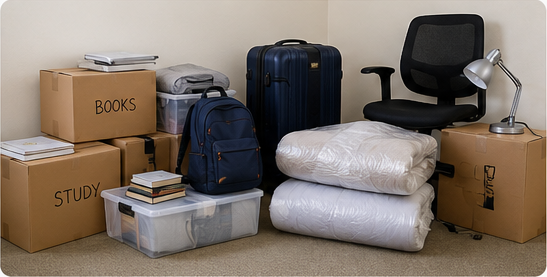
Students often need storage between terms, during holidays, or when moving between residences, digs, and shared flats.
This is common for students studying in Johannesburg, Pretoria, Midrand, Braamfontein, Auckland Park, and nearby areas.
Student storage may include:
- Bedding
- Clothes
- Books
- Small appliances
- Desks and chairs
- Boxes
- Luggage
- Mini fridges
- Personal items
Instead of moving everything back home during every break, students can store items closer to campus or accommodation.
This is especially useful for students from outside Gauteng, or for families who do not want to transport furniture across provinces every year.
Self storage for businesses
Business storage is one of the most practical uses of self storage.
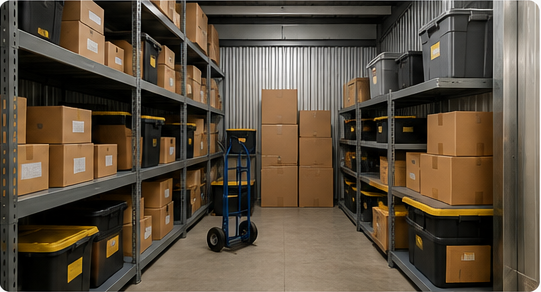
Many small and medium businesses do not need a full warehouse. They need flexible space for stock, equipment, records, marketing material, or tools.
Business storage can help:
- Online shops
- Contractors
- Sales teams
- Events companies
- Tradespeople
- Professional services firms
- Retailers
- Property businesses
- Seasonal businesses
- Importers and distributors
A business in Edenvale, Germiston, Boksburg, or the East Rand may need space for stock overflow. A company in Sandton or Rosebank may need to store archived documents or marketing material. A contractor working across Johannesburg, Pretoria, and Centurion may need space for equipment between jobs.
Self storage can be useful when commercial premises are too expensive, too large, or too permanent for the need.
When to use self storage
Self storage is useful when your space problem is temporary, uncertain, seasonal, or changing.
It works best when you need flexibility.
Moving home
Moving is one of the most common reasons people use storage.
You may need storage if:
- Your new place is not ready yet
- You have to move out before moving in
- You are waiting for transfer or occupation dates
- You are moving to a smaller place
- You are relocating for work
- You are combining households
- You need time to sort through furniture
In Johannesburg, moving dates do not always line up neatly. Sometimes the lease ends before the new one starts. Sometimes renovations run late. Sometimes the moving truck arrives before the keys do.
A storage unit can bridge the gap.
Renovating
Renovations are messy. Even small home improvements can create dust, noise, and chaos.
Storage helps protect furniture and household items while work is being done.
People often use storage during:
- Kitchen renovations
- Bathroom renovations
- Flooring work
- Painting
- Ceiling repairs
- Waterproofing
- Extensions
- Full home renovations
If you are renovating in areas like Fourways, Randburg, Alberton, Roodepoort, or Johannesburg South, storing furniture off-site may make the work easier and reduce the risk of damage.
It also gives contractors room to work. Which, in theory, should help the job move faster. In theory. This is still building work.
Downsizing
Downsizing often sounds simple until you start deciding what stays and what goes.
Storage gives you time to sort through belongings without rushing.
This is useful when:
- Moving from a house to a flat
- Helping parents move to a smaller home
- Combining two households
- Moving after a major life change
- Reducing clutter without making final decisions immediately
A smaller home can feel calmer and easier to manage, but the transition can be emotional. Storage gives you a halfway point.
Decluttering
Sometimes the issue is not moving. It is just that the home has become too full.
Storage can help if you want to:
- Clear a garage
- Make space for a home office
- Free up a spare room
- Store seasonal items
- Keep sentimental items safe
- Make the house easier to live in
- Prepare a home for sale or rental
Decluttering does not always mean throwing things away. Sometimes it means moving items out of your daily living space.
Business overflow
Businesses use storage when stock, files, or equipment start taking over the office, shop, garage, or home.
This can happen during:
- Seasonal stock increases
- Promotional campaigns
- Office moves
- Renovations
- Project work
- New product launches
- Import delays
- Supplier timing changes
For example, a business in Midrand may receive stock before its retail space is ready. A company in Sandton may need to clear office storage before a move. An online seller in Roodepoort may need more space than a home garage can offer.
Storage can help businesses keep operations organised without committing to larger premises too soon.
Student holidays and accommodation changes
Students often need storage during university holidays or while changing accommodation.
Storage is useful when:
- A residence closes during holidays
- A student is changing digs
- A lease does not cover the full year
- Furniture needs to be stored between terms
- A family wants to avoid repeated transport costs
For many students, a small unit or shared storage plan may be enough.
Life transitions
Storage is also helpful during personal changes.
This may include:
- Divorce or separation
- Estate administration
- Moving in with family
- Temporary relocation
- Travel
- Caring for relatives
- Clearing a home after a loss
These situations can be stressful. Storage will not solve everything, but it can remove one practical problem from the list.
What people usually store
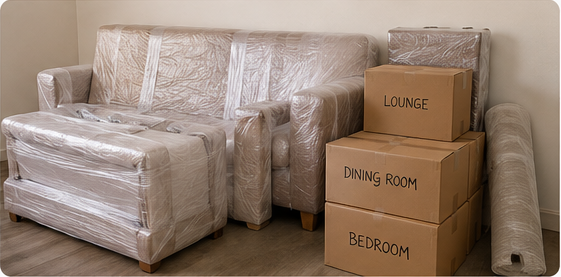
People store more than old boxes. A storage unit can hold many types of household, student, and business items, as long as they are suitable for storage and allowed by the facility.
Always check what is permitted before booking.
Household items
Common household items include:
- Beds
- Mattresses
- Couches
- Tables
- Chairs
- Cabinets
- Fridges
- Washing machines
- Bookshelves
- TV stands
- Rugs
- Curtains
- Kitchenware
- Boxes of clothing
- Décor items
For furniture, good packing matters. Use covers where needed, avoid trapping moisture, and do not place heavy items on fragile pieces.
Moving boxes
Moving boxes are ideal for storage because they stack neatly and make the unit easier to organise.
Common box contents include:
- Clothes
- Linen
- Crockery
- Books
- Documents
- Toys
- Small electronics
- Kitchen items
- Personal belongings
Label boxes clearly. A storage unit full of mystery boxes is not charming. It is future punishment.
Business stock
Businesses often store:
- Retail stock
- E-commerce products
- Packaging material
- Marketing displays
- Event equipment
- Branded items
- Office furniture
- Promotional stock
- Trade tools
- Sales samples
Business storage works best when items are labelled, grouped, and easy to access.
If staff members need to collect items regularly, location and access arrangements become more important.
Documents and records
Some businesses and households need space for files and archived documents.
This may include:
- Accounting records
- Legal documents
- Client files
- HR records
- Property documents
- Family records
- Study material
Sensitive documents should be packed securely and organised carefully. If documents are legally or financially important, ask the facility about storage conditions and access control before booking.
Student items
Student storage often includes:
- Suitcases
- Clothes
- Books
- Bedding
- Small desks
- Desk chairs
- Mini fridges
- Kitchen items
- Study equipment
- Boxes of personal items
A student may not need a large unit. In many cases, a small space is enough if items are packed well.
Seasonal items
Seasonal items are perfect for storage because they are not needed every week.
Examples include:
- Camping gear
- Sports equipment
- Holiday decorations
- Patio furniture
- Extra bedding
- Fans or heaters
- Travel bags
- Event items
These items often take up valuable space at home but are still useful.
How to choose the right storage unit size
Choosing the right unit size is one of the most important storage decisions.
Too small, and you struggle to fit everything in. Too large, and you may pay for space you do not need.
The best size depends on:
- How much you need to store
- Whether items are boxed or loose
- Whether furniture can be dismantled
- Whether you need access to items while stored
- How long items will be stored
- How carefully you pack
Ask Stor24 for help choosing a unit if you are unsure. A short conversation can save a lot of frustration later.
Start with an inventory
Before choosing a unit, make a rough list of what you want to store.
Group items into categories:
- Large furniture
- Appliances
- Boxes
- Bags
- Fragile items
- Business stock
- Documents
- Items you may need to access
You do not need a perfect spreadsheet, although some people do enjoy making one. There is always one person in every family.
The goal is to understand the volume and shape of your items.
Think in rooms, not just boxes
A useful way to estimate storage size is to think by home size.
These are general examples only. Actual space needed depends on your furniture, packing, and whether items can be stacked.
Small storage needs
A small unit may suit:
- A few boxes
- Student belongings
- Small appliances
- Seasonal items
- Tools
- Luggage
- Décor
- Items from a single room
This can work well for students, decluttering, or storing items from a spare room.
One-bedroom flat
A one-bedroom flat may include:
- Bed and mattress
- Small couch
- TV stand
- Coffee table
- Small dining set
- Boxes
- Clothes
- Kitchen items
- Small appliances
If furniture is compact and well packed, a moderate unit may be enough. If you have large furniture, bulky appliances, or many boxes, you may need more space.
Two-bedroom flat or townhouse
A two-bedroom flat or townhouse may include:
- Two beds
- Mattresses
- Lounge furniture
- Dining furniture
- Appliances
- Boxes
- Clothing
- Kitchenware
- Study desk
- Shelving
This usually needs more careful planning. If you need to access items during storage, leave a small walkway where possible.
Three-bedroom house
A three-bedroom house may include:
- Multiple beds
- Lounge suite
- Dining room set
- Appliances
- Patio furniture
- Garage items
- Boxes
- Children’s items
- Study furniture
- Outdoor equipment
A larger unit may be needed, especially if items are bulky or cannot be stacked safely.
For full-house storage, it is worth discussing the inventory with the storage provider before booking.
Business storage sizing
Business storage depends less on rooms and more on stock volume, packaging, and access needs.
Consider:
- Number of boxes or cartons
- Whether stock is palletised
- How often items will be collected
- Whether stock must be sorted by product type
- Whether staff need room to move inside the unit
- Whether shelving is needed or allowed
A business storing event equipment may need a different layout from an online retailer storing boxed products.
Leave space if you need regular access
If you are storing items and will not touch them for six months, you can pack the unit tightly.
If you need access every week, do not pack it like a sealed container.
Leave space for:
- A walkway
- Frequently needed items near the front
- Labels facing outward
- Fragile items kept safe
- Stock grouped by category
Access planning matters. Otherwise, collecting one box can become a full-body workout.
Packing affects size
Good packing can reduce the size of unit you need.
Helpful packing steps include:
- Use strong boxes of similar sizes
- Fill boxes properly, but do not make them too heavy
- Dismantle furniture where practical
- Wrap fragile items
- Use mattress covers
- Keep screws and fittings labelled
- Stack heavier items at the bottom
- Avoid wasting space inside drawers or cupboards, unless safe to do so
- Label boxes clearly
Bad packing makes everything harder. It wastes space, increases damage risk, and turns future unpacking into a small domestic tragedy.
What affects storage prices in Johannesburg
Storage prices in Johannesburg vary. A proper quote will depend on your storage needs and current availability.
Do not rely on guessed prices from old pages, forums, or random comments online. Prices can change depending on size, location, demand, access type, and storage duration.
Ask Stor24 for a current quote based on your actual needs.
Unit size
Size is usually one of the biggest factors.
A larger unit generally costs more than a smaller unit because it gives you more space.
Before choosing a larger unit, check whether better packing could reduce the space needed. But do not go too small just to save money. A unit that is too cramped can make loading, access, and unpacking harder.
Location
Location affects storage cost and convenience.
A facility near Sandton, Fourways, Midrand, Randburg, Roodepoort, Edenvale, Germiston, Boksburg, Alberton, Johannesburg South, or Pretoria may suit different needs depending on where you live, work, or move.
A cheaper unit far away may not be cheaper in practice if you spend more time and fuel getting there.
In Johannesburg, travel time matters. A trip that looks short on a map can become a whole event when traffic joins the meeting.
Storage duration
Short-term and long-term storage may be priced differently depending on the provider.
Some people need storage for a few weeks during a move. Others need several months during renovations or business changes.
Tell the storage team how long you expect to store your items. If you are unsure, say so. It is better to choose a flexible option than to pretend life runs on neat dates.
Availability and demand
Storage availability can change.
Demand may be higher during busy moving periods, student holiday periods, year-end business changes, or peak relocation times.
If you know you will need storage, it is sensible to ask early rather than wait until the moving truck is already booked.
Access type
Access arrangements may affect your choice.
Consider:
- How often you need access
- Whether access is during set hours or more flexible
- Whether large vehicles can enter easily
- Whether loading areas are practical
- Whether staff are available to assist with guidance
- Whether the site layout suits your items
Do not assume every storage facility works the same way. Ask before booking.
Type of items stored
Some items need more care than others.
For example:
- Furniture may need covers
- Documents may need dry, organised storage
- Business stock may need easy access
- Fragile items need careful packing
- Appliances must be cleaned and dried before storage
The type of items may influence the unit size, packing approach, and access needs.
Extra services or requirements
Depending on the provider, additional costs or arrangements may apply for things like:
- Locks
- Packaging material
- Insurance options
- Collection support
- Transport
- Special access arrangements
- Longer-term agreements
Do not assume these are included. Ask clearly.
A good quote should help you understand what you are paying for.
Short-term vs long-term storage
The right storage setup depends on how long you need it.
Short-term storage is usually about solving an immediate problem. Long-term storage is about keeping items safely organised over time.
Short-term storage
Short-term storage may be useful for:
- Moving house
- Waiting for occupation
- Renovations
- Temporary work relocation
- Student holidays
- Clearing space before selling a home
- Business overflow during a campaign
For short-term storage, convenience is often very important.
You may want:
- Easy access
- A location near your home or move route
- Simple booking
- Help choosing the correct size
- Clear terms
- Practical loading access
With short-term storage, dates can change. Renovations run late. Transfers delay. Moving plans shift.
Choose an option that gives you some flexibility
Long-term storage
Long-term storage may be useful for:
- Furniture you want to keep
- Archived business records
- Seasonal stock
- Family items
- Tools or equipment
- Long-term travel
- Downsizing
- Estate-related storage
For long-term storage, organisation matters more.
Before storing items for a longer period:
- Clean and dry items properly
- Use quality boxes
- Label everything
- Avoid storing damp items
- Protect furniture
- Keep an inventory
- Place important items where they can be accessed
- Check what is and is not allowed
Long-term storage should not become a place where things disappear from memory. Keep a record of what is inside.
Which is better?
Neither is better. They solve different problems.
Short-term storage helps when life is in motion.
Long-term storage helps when you need extra space for items you are not ready to sell, donate, or move back into your home or business.
The key is to be honest about your likely timeline. If you think you need storage for one month, but the renovation still has no contractor, no quote, and no start date, you may need longer. Painful, but probably true.
Security and access considerations
Security is one of the first things people ask about when choosing storage.
That makes sense. You are trusting a facility with your belongings, furniture, stock, or documents.
No storage provider should overpromise. Security reduces risk, but no facility can honestly claim that nothing can ever go wrong.
What matters is that you understand the security and access arrangements before booking
What to ask about security
Before choosing a storage facility, ask about:
- Access control
- Site monitoring
- Gates and entry points
- Lighting
- Locking arrangements
- Staff presence
- Visitor procedures
- Fire safety arrangements
- General site maintenance
- How access is managed
- What you are responsible for
The answers should be clear and practical.
If a provider avoids basic questions, that is useful information.
Access control
Access control helps manage who enters the site and when.
Ask:
- Who can access the facility?
- How is access granted?
- Are visitors recorded?
- Can someone else access your unit on your behalf?
- What happens if staff change or authorised people change?
- Are there access hours?
For business storage, this is especially important if more than one staff member may need access.
Locks and unit access
Ask how units are locked and what lock arrangements apply.
You may need to provide your own lock, use a specific lock type, or follow facility rules.
Also ask:
- Who keeps the key or access code?
- What happens if a key is lost?
- Can access be changed if needed?
- Is the unit individually lockable?
Do not leave these questions until moving day.
Lighting and visibility
Good lighting helps with safety and practical access.
This matters if you need to load or collect items early, late, or during darker winter afternoons.
Ask about:
- Lighting in corridors or driveways
- Lighting near loading areas
- Visibility around the facility
- Safe movement around the site
Insurance
Ask whether insurance is required, available, or your responsibility.
Some people assume their household or business insurance automatically covers stored items. That may not always be the case.
Check with your insurer and ask the storage provider what they require.
Important questions:
- Are stored items insured?
- Is insurance optional or required?
- What is excluded?
- Are high-value items treated differently?
- Do you need to provide an inventory?
Do not guess. Insurance is one of those things people only read properly when something has already gone wrong. Not ideal.
Access hours
Access hours can affect your experience.
Ask:
- When can you access your unit?
- Is access available on weekends?
- Are public holidays different?
- Do you need to book access?
- Can business users access stock when needed?
- Are there after-hours restrictions?
If you need regular access, choose a facility that fits your routine.
Common mistakes to avoid
Choosing storage is not difficult, but there are a few common mistakes that can cause stress, wasted money, or damaged items.
Choosing only on price
Price matters. Nobody wants to pay more than necessary.
But the cheapest option is not always the best option.
Before choosing only on price, consider:
- Distance from home or work
- Access hours
- Security arrangements
- Unit size
- Ease of loading
- Cleanliness
- Contract terms
- Availability
- Customer support
A cheaper unit far away may cost more in fuel, time, and frustration.
Booking a unit that is too small
A unit that is too small can make moving day miserable.
You may end up:
- Forcing items into tight spaces
- Damaging furniture
- Blocking access
- Needing a second unit
- Spending more time loading
- Having to repack everything
If you are between sizes, ask for guidance.
Booking a unit that is too large
A unit that is too large may mean paying for unused space.
This often happens when people estimate by feeling rather than by listing what they need to store.
Before booking, make a rough inventory. It does not need to be perfect. It just needs to be honest.
Not checking access arrangements
Access sounds boring until you arrive with a loaded bakkie and discover the facility does not work the way you assumed.
Check:
- Access hours
- Vehicle access
- Loading areas
- Unit location
- Lift or stair access, if relevant
- Whether large items can be moved easily
- Whether someone else can collect on your behalf
Ask these questions before booking.
Poor packing
Poor packing causes many storage problems.
Avoid:
- Weak boxes
- Overfilled boxes
- Unlabelled boxes
- Damp items
- Food items
- Unprotected furniture
- Fragile items under heavy boxes
- Appliances stored without cleaning and drying
- Random loose items thrown in at the end
Pack as if your future self deserves mercy.
Storing items that are not allowed
Every facility should have rules about what can and cannot be stored.
Commonly restricted items may include hazardous goods, perishables, illegal items, flammable materials, or anything that creates risk for the facility or other customers.
Ask Stor24 what is allowed before storing anything unusual.
Forgetting to keep an inventory
An inventory helps you remember what is in storage.
This is useful for:
- Insurance
- Planning
- Family moves
- Business stock
- Long-term storage
- Finding specific items later
You can keep it simple. A phone note, spreadsheet, or photos of packed boxes can help.
Leaving important items at the back
If you may need something soon, do not pack it behind a couch, under a table, and below six boxes of winter clothes.
Place regularly needed items near the front.
This is especially important for:
- Business stock
- Documents
- Student items
- Seasonal items
- Tools
- Clothing
- Appliances
Not asking enough questions
A good storage provider should be able to answer practical questions.
Ask before you book:
- What size do I need?
- What affects the price?
- What access do I have?
- What security measures are in place?
- What items are not allowed?
- What happens if I need more or less space?
- What are the payment terms?
- What should I bring on move-in day?
Good questions now prevent awkward surprises later.
Local Johannesburg storage considerations
Johannesburg is not one neat storage market. It is a wide, busy city with different routes, traffic patterns, business nodes, suburbs, and access needs.
Choosing storage in Johannesburg is often about location as much as unit size.
Why location matters
A storage facility should be close enough to make sense.
That may mean close to:
- Your current home
- Your new home
- Your workplace
- Your business customers
- Your campus
- A main road
- A moving route
- A family member helping with the move
If you live in Randburg but are moving to Fourways, storage near your route may be more practical than storage far across town.
If your business operates in Midrand, Centurion, and Pretoria, a central location may matter more than the lowest quoted price.
If you are renovating in Alberton or Johannesburg South, you may want storage nearby so you can access furniture and boxes when needed.
Traffic and access
Johannesburg traffic should be part of the decision.
Consider:
- Peak hour travel time
- Weekend access
- Main road access
- Truck or bakkie access
- Distance from highways
- Roadworks or congestion
- Safety of the surrounding area
- Ease of turning and loading
A facility that looks close in kilometres may not be close in real life.
Ask yourself how often you will need to visit. If you will only visit once to load and once to collect, distance may matter less. If you need stock every week, it matters a lot.
Storage near business areas
Business users may want storage near commercial and industrial nodes.
This may include areas around:
- Sandton
- Midrand
- Randburg
- Edenvale
- Germiston
- Boksburg
- East Rand
- Roodepoort
- West Rand
- Centurion
- Pretoria
For business storage, access and organisation are important. You may need to collect items regularly, send staff, or manage stock movement.
Choose a location that supports the way your business actually works.
Storage for families and households
Household storage often depends on moving routes and convenience.
People may need storage near:
- Sandton
- Fourways
- Randburg
- Roodepoort
- Alberton
- Johannesburg South
- Edenvale
- Germiston
- Boksburg
- Pretoria
If you are moving between suburbs, think about where the storage unit fits into the move.
For example:
- Current home to storage
- Storage to new home
- Storage to family member’s home
- Storage to renovation site
The fewer unnecessary trips, the better.
Storage for students
Students may need storage near:
- Johannesburg campuses
- Pretoria campuses
- Midrand
- Auckland Park
- Braamfontein
- Shared accommodation areas
- Family homes in Gauteng
Student storage should usually be simple, affordable, and easy to arrange.
A small unit may be enough for boxes, bedding, luggage, and small furniture.
East Rand and West Rand considerations
The East Rand and West Rand both have strong storage demand because of residential, commercial, and industrial activity.
East Rand areas like Edenvale, Germiston, and Boksburg may suit businesses, families, and people moving around industrial and residential zones.
West Rand and Roodepoort storage may suit families, small businesses, and people moving between Johannesburg and surrounding areas.
Again, the right choice depends on where your items are coming from and where they need to go next.
How Stor24 can help
Stor24 helps people and businesses find practical self storage in Johannesburg.
The role of a good storage provider is not only to offer a unit. It is to help you choose the right storage option for your situation.
That means helping with questions like:
- What size unit do I need?
- Is short-term or long-term storage better for me?
- What should I pack first?
- What should I avoid storing?
- How do I prepare furniture?
- What affects the price?
- What access do I need?
- What should I check before booking?
Stor24 can help with storage for:
- Household moves
- Furniture storage
- Renovations
- Decluttering
- Student storage
- Business stock
- Office items
- Documents
- Seasonal items
- Short-term storage
- Longer-term storage
If you are unsure what you need, ask for help choosing a unit. You do not need to know the exact storage size before speaking to the team.
A practical storage conversation usually starts with:
- What are you storing?
- How much are you storing?
- Where are you based?
- How long do you need storage?
- How often do you need access?
- Are there large or fragile items?
- Are you storing as a household, student, or business?
From there, the team can guide you towards a suitable option.
Related storage guides
This guide is the main self storage pillar in the Stor24 Storage Insights section.
You may also find these related guides useful:
- Storage Unit Size Guide: How Much Space Do You Need?
- Storage Prices in Johannesburg: What Affects the Cost?
- Furniture Storage in Johannesburg: How to Store Furniture Properly
- Business Storage in Johannesburg: Stock, Equipment, and Office Storage
- Student Storage in Johannesburg and Pretoria: A Practical Guide
- Moving Storage Guide: Using Storage Before, During, and After a Move
- Secure Storage in Johannesburg: What to Check Before You Book
- Short-Term vs Long-Term Storage: Which Option Makes Sense?
Frequently Asked Questions
How much does self storage cost in Johannesburg?
Self storage prices in Johannesburg vary depending on unit size, location, availability, access type, and how long you need storage for. A small unit for a few boxes will usually be different from a larger unit for furniture from a full home. Ask Stor24 for a current quote based on what you need to store.
What size storage unit do I need for a two-bedroom flat?
A two-bedroom flat may include beds, lounge furniture, appliances, boxes, clothing, kitchen items, and small furniture. The right unit size depends on how much furniture you have, whether items can be dismantled, and whether you need access while items are stored. If you are unsure, make a rough inventory and ask Stor24 to help you compare sizes.
Is my furniture safe in storage?
A storage facility can provide controlled access and general security measures, but you should still pack and protect furniture properly. Use covers where needed, clean and dry items before storing them, and avoid placing heavy items on fragile furniture. Ask about security, access, and insurance before booking.
Can I use self storage while moving house?
Yes. Storage is commonly used when moving house, especially when move-out and move-in dates do not line up. It can also help if your new home is not ready, you are downsizing, or you need time to sort through furniture and boxes before moving everything in.
Can businesses use self storage?
Yes. Businesses use storage for stock, tools, documents, equipment, marketing material, furniture, and seasonal overflow. It can be useful for online shops, contractors, events companies, sales teams, and small businesses that need flexible space without taking larger premises
What should I check before booking a storage unit?
Check the unit size, access hours, security arrangements, location, loading access, payment terms, what items are allowed, and whether insurance is required or recommended. Also ask what happens if your storage needs change.
Is short-term storage available in Johannesburg?
Short-term storage is useful for moving, renovations, student holidays, temporary relocation, and business overflow. Availability and terms vary, so ask Stor24 what options are currently available.
Can students use storage during holidays?
Yes. Student storage can be useful between terms, during holidays, or when moving between residences and shared accommodation. Students often store bedding, books, clothes, small furniture, luggage, and appliances.
What items should not be stored?
Storage facilities usually restrict hazardous, illegal, flammable, perishable, or unsafe items. Rules can vary, so always ask before storing anything unusual. Food, damp items, and anything that may attract pests should generally be avoided.
How do I get a storage quote?
Make a rough list of what you want to store, where you are based, how long you need storage, and whether you need regular access. Then ask Stor24 for a current quote and guidance on unit size.
Need help choosing storage?
See live Midpoint availability and prices, then reserve the unit that suits you.
View Available Units